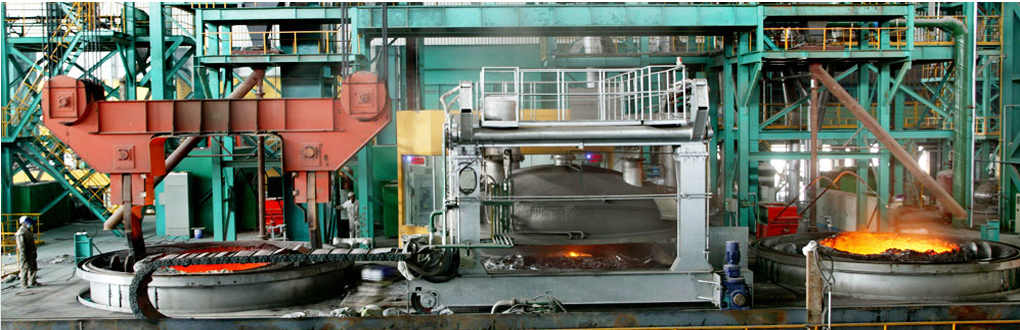
Angle steel spends more time in the galvanizing kettle than any other section, and it is also where most galvanizing complaints start: trapped flux, uncoated inside corners, and bowed legs straight after the kettle. None of these are random — they trace back to details that were never agreed before the order was placed.
Coating standard, not "galvanized"
"Galvanized" on a drawing is not a specification. Order to EN ISO 1461 or ASTM A123, which set minimum coating thickness by steel thickness class: roughly 45 µm for 2–3 mm sections, 55 µm for 3–6 mm, and 70 µm and above for heavier angles. Small angles cool fast and pick up thinner coatings, so a 40×40×4 angle will not reach the same thickness as a 150×150×14 in the same kettle run. State the standard and accept the thickness table that comes with it.
Vent and drain holes decide the inside corner
The vertical inside corner of an angle is exactly where molten zinc has to displace air. Without vent holes in sealed fabrications, or with angles packed too tight in bundles, flux and air stay trapped and the corner comes out uncoated or with heavy dross. For angles going into further fabrication, agree with the galvanizer whether holes are drilled before or after galvanizing — drilling afterwards exposes bare steel at the corner where protection matters most.
Distortion is a thin-section problem
Unequal angles and thin equal angles warp in the kettle because one leg heats and quenches faster than the other. Limiting the problem is cheaper than straightening after: keep leg-length asymmetry moderate where the design allows, galvanize in restrained fixtures, and agree a straightness tolerance with the galvanizer rather than discovering it on site.
What to put on the order
Specify grade (S275JR/S355JR or shipbuilding ABS grades), the galvanizing standard and thickness class, whether vent holes are pre-drilled, and certificates to EN 10204 3.1 covering the steel. Request the galvanizer's inspection certificate with actual coating thickness readings, not a batch average. Steel that arrives from the mill already cut to length and with holes in place galvanizes better and cheaper than steel modified afterwards.